This is an educational resource providing general information about vitamins, minerals, and their natural sources in everyday foods. We explain concepts related to routine nutrition discussions.
Educational content only. No medical services. No promises of outcomes.
The information presented here is for general knowledge purposes. It does not constitute personalized recommendations or advice.
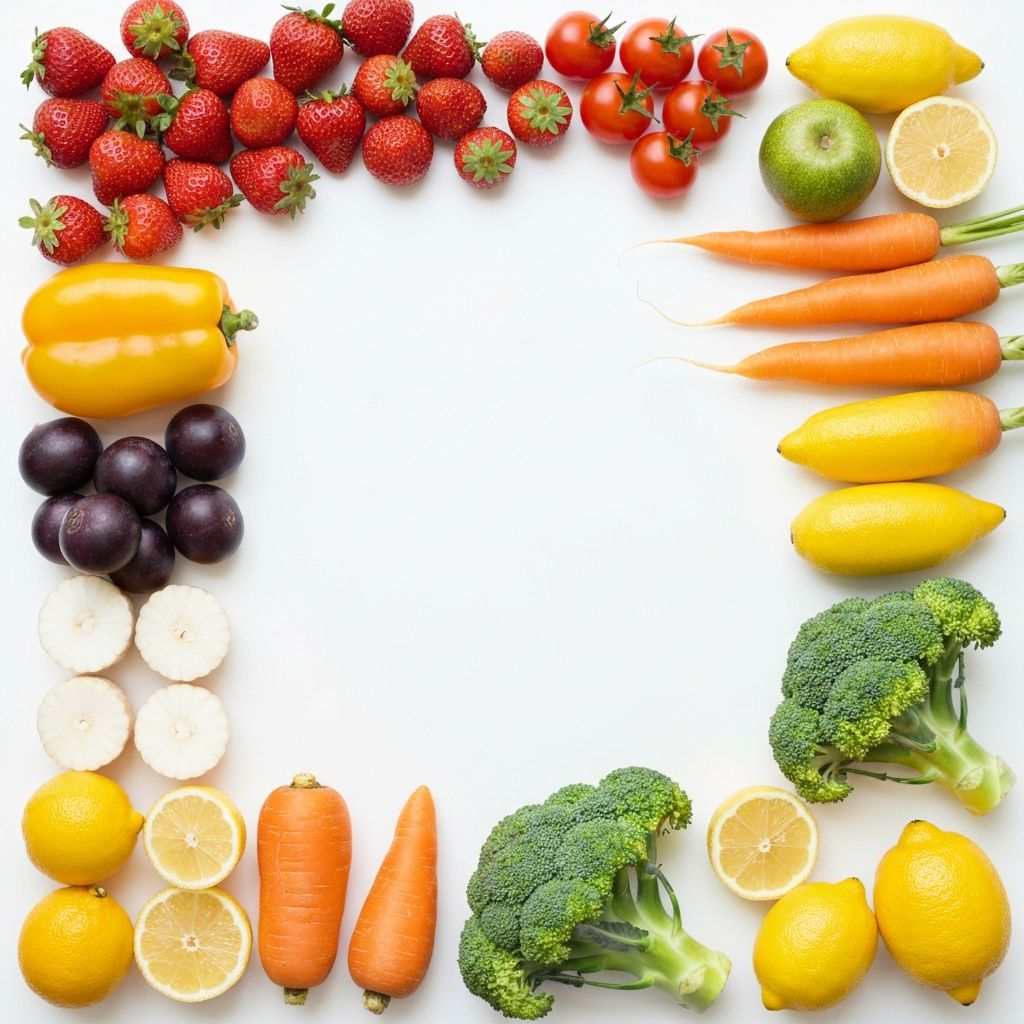
Vitamins are organic compounds found in various foods. They play diverse roles in human biochemistry and are typically classified into water-soluble and fat-soluble categories.
Common vitamins include Vitamin A, B-complex vitamins, Vitamin C, Vitamin D, Vitamin E, and Vitamin K. Each has distinct properties and occurs naturally in different food groups.
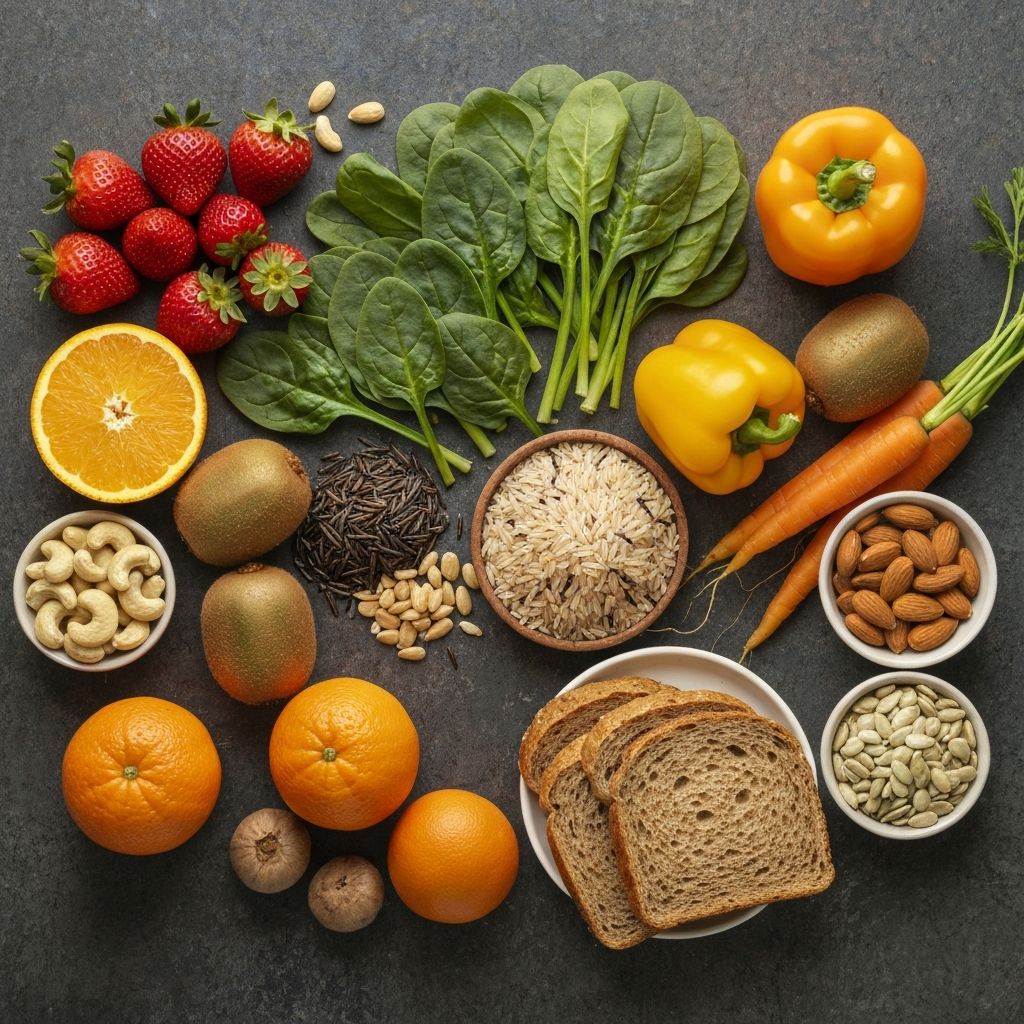
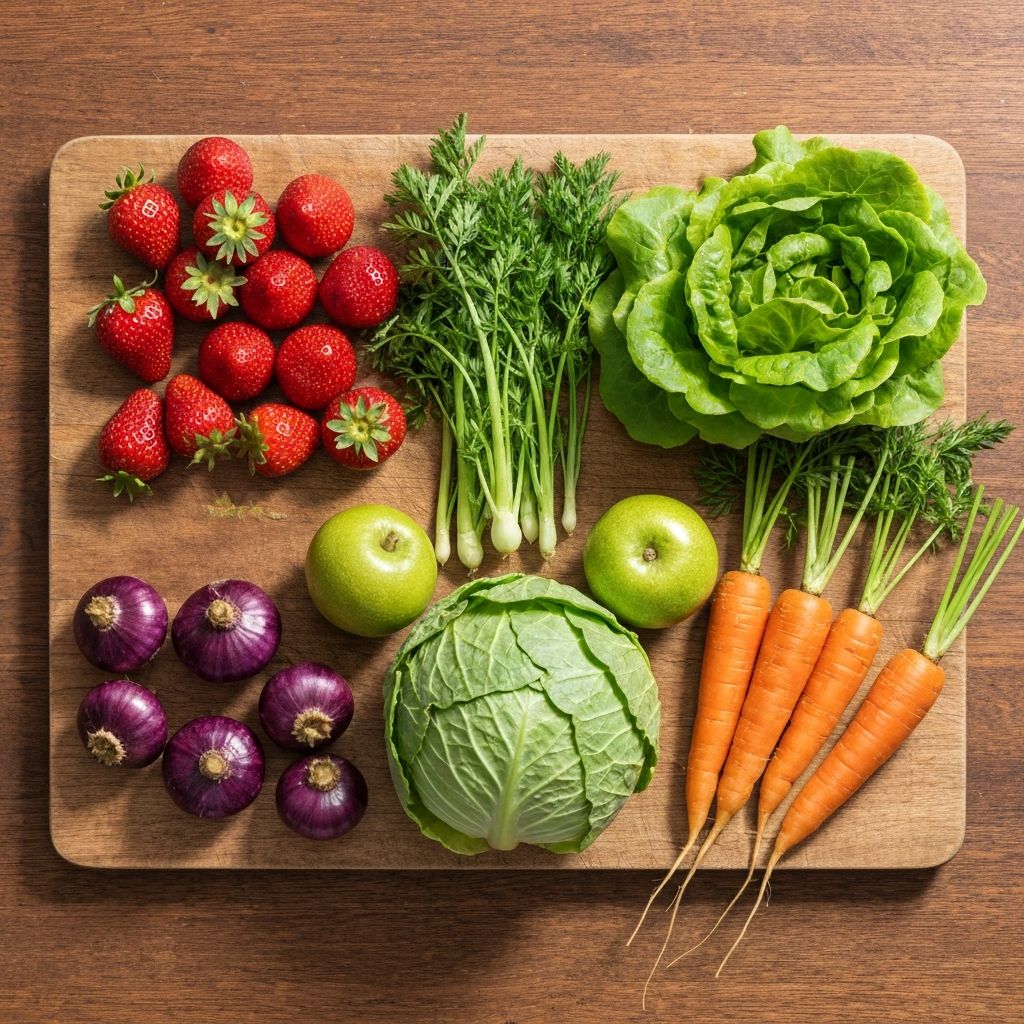
Many common foods contain various vitamins and minerals. Below are general examples of where these nutrients can be found in a typical diet.
Almonds, walnuts, sunflower seeds, and pumpkin seeds are examples of foods that contain Vitamin E, magnesium, and zinc among other nutrients.
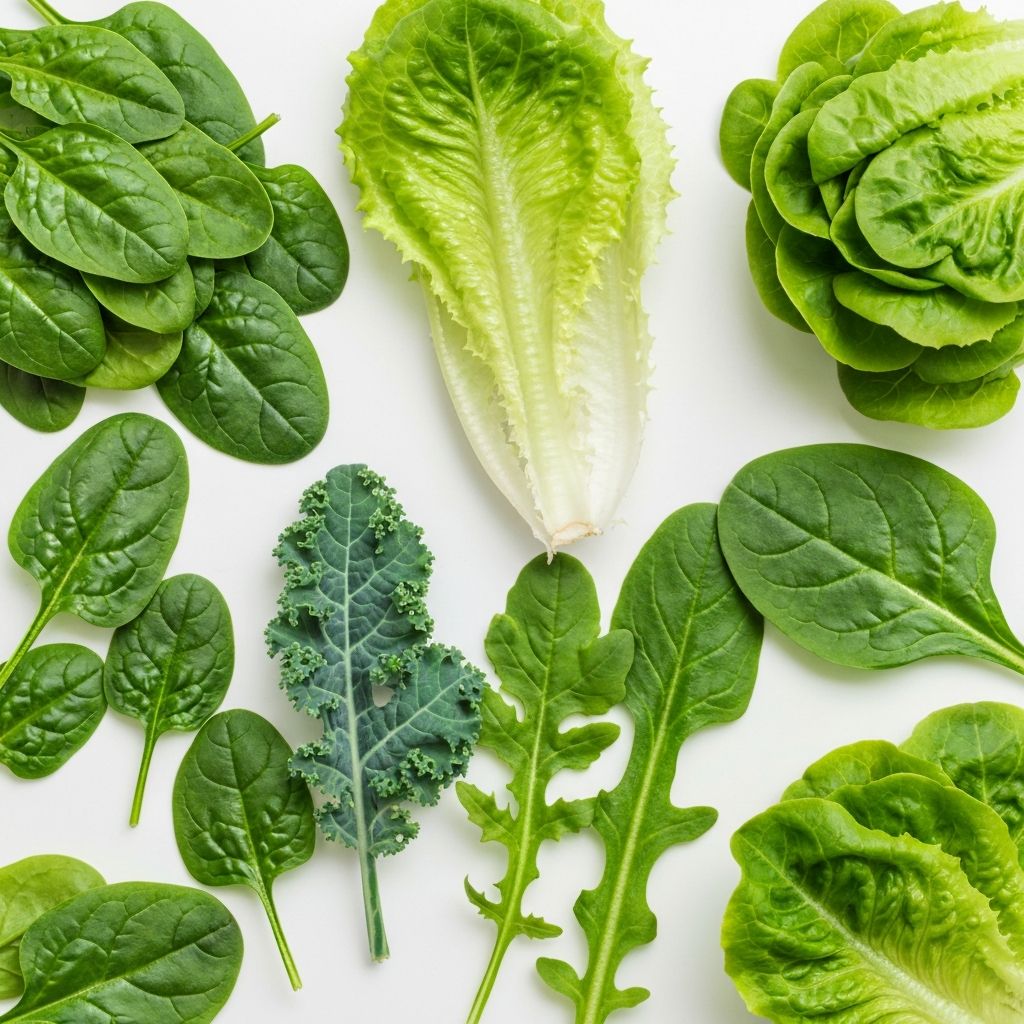
Spinach, kale, and other dark leafy vegetables are sources of Vitamin K, folate, iron, and various antioxidants.
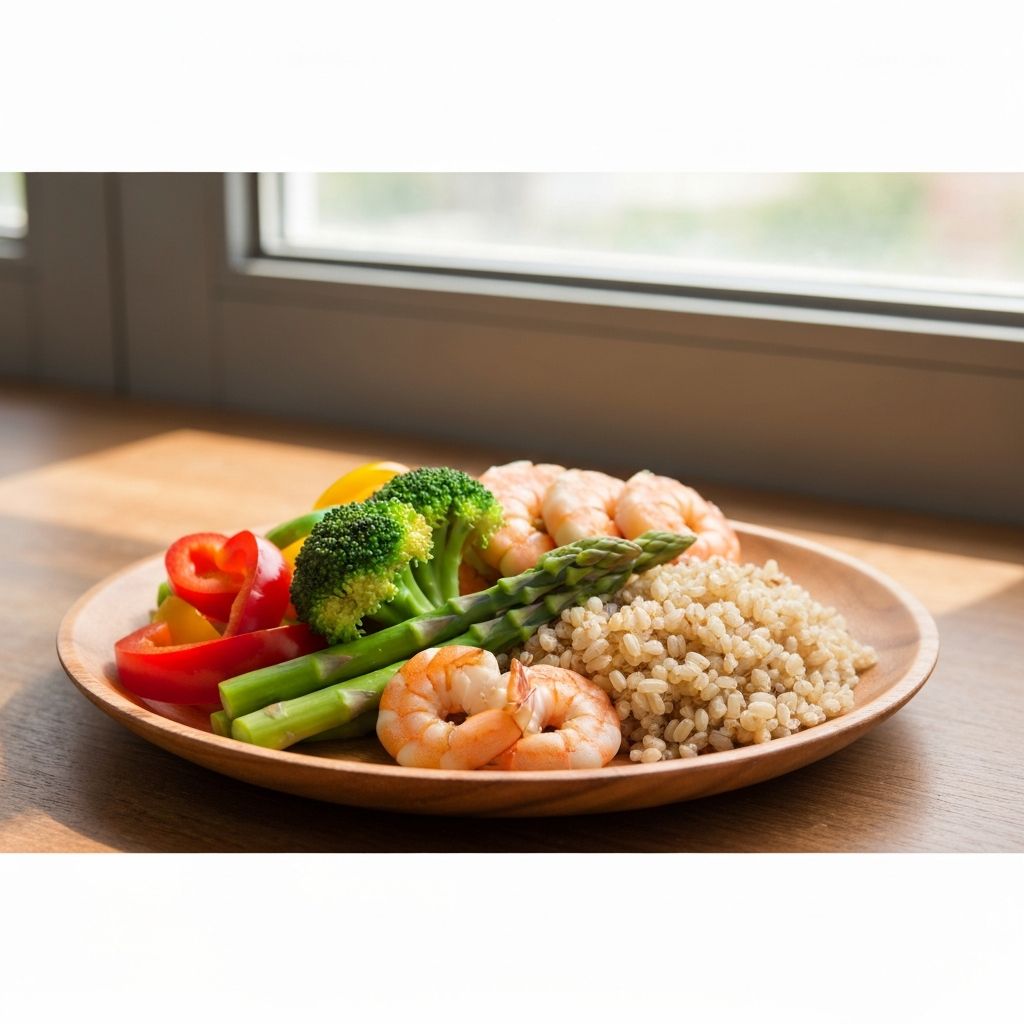
Salmon, mackerel, and other fish varieties contain omega-3 fatty acids, Vitamin D, and selenium.
| Nutrient | Common Food Sources | General Category |
|---|---|---|
| Vitamin C | Citrus fruits, bell peppers, strawberries | Water-soluble |
| Vitamin D | Fatty fish, egg yolks, fortified foods | Fat-soluble |
| Vitamin E | Nuts, seeds, vegetable oils | Fat-soluble |
| Zinc | Meat, shellfish, legumes, seeds | Mineral |
| Magnesium | Whole grains, nuts, dark chocolate | Mineral |
| Vitamin B12 | Meat, fish, dairy products | Water-soluble |
Vitamins and minerals participate in numerous biochemical processes in the human body. For example, B-vitamins are involved in energy metabolism, Vitamin C plays a role in collagen synthesis, and zinc is a component of many enzymes.
These nutrients work together in complex ways. Their presence in the diet is generally considered important for maintaining various bodily functions.
There are many popular beliefs about vitamins and their effects. Scientific research continues to explore the relationships between diet and various aspects of health.
It is important to distinguish between general nutritional information and specific health claims. Individual needs can vary widely based on numerous factors including age, lifestyle, and overall dietary patterns.
This resource presents general information only and does not make claims about specific outcomes or benefits.
Different populations around the world consume varying combinations of foods. Mediterranean, Nordic, and Asian dietary patterns each emphasize different food groups and preparation methods.
Common elements across many traditional diets include whole grains, vegetables, fruits, legumes, nuts, and fish. The specific proportions and varieties differ by region and culture.
In Slovenia and surrounding regions, typical foods may include dairy products, whole grain bread, seasonal vegetables, fish from the Adriatic, and locally sourced produce.
Nutritional science is an evolving field that studies the relationship between diet and various physiological processes. Research methods include epidemiological studies, controlled trials, and biochemical analysis.
Current understanding of vitamins and minerals comes from decades of research. However, scientific knowledge continues to develop, and recommendations may change as new evidence emerges.
General population guidelines are often published by health organizations in different countries. These guidelines typically suggest balanced intake from diverse food sources rather than focusing on single nutrients.
The information on this website is educational and general in nature. It does not:
Individual circumstances vary widely. What applies generally may not apply to specific situations. People approach nutrition decisions in diverse ways based on their own research, preferences, and consultations with professionals.
Continue reading to understand basic concepts about vitamins and food sources.
View Basic Information